Figuring out how to answer calls while on a job site is one of the most underrated skills in the home service trades, because every ring that goes unanswered is a customer who may hang up and call a competitor instead. In plain terms, how to answer calls while on a job site is really a system of tools, habits, and delegation that lets technicians keep both hands on the tools while inbound leads still get a live, professional response. Without that system, phones get ignored, voicemails pile up, and revenue quietly slips away.
Quick Answer: The most reliable way to answer calls while on a job site is to stop relying on technicians to pick up altogether. Instead, forward inbound calls to a dedicated answering service or an AI receptionist that qualifies the caller, checks live availability, and books the job automatically. That single change closes the single biggest revenue leak most trades businesses have.
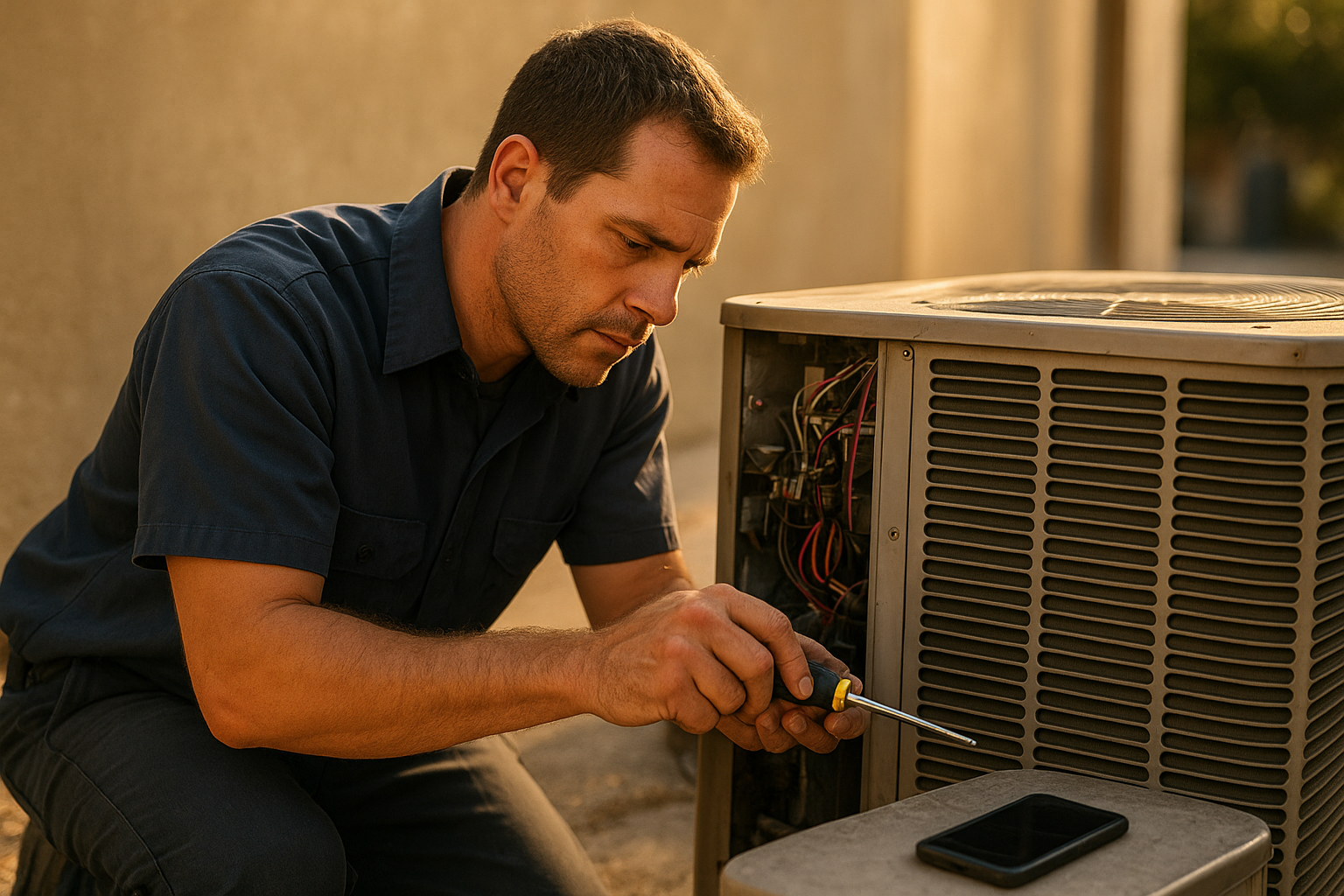
Learning how to answer calls while on a job site starts with taking the phone out of the technician's hands entirely.
Why Answering Calls on a Job Site Feels Impossible
Most technicians already have their hands full with tools, ladders, and safety concerns. Consequently, stopping mid-task to answer a ringing phone is not just inconvenient, it can be genuinely unsafe when working with electrical panels, gas lines, or rooftop equipment. As a result, many crews simply let the call go to voicemail and plan to call back later.
However, "later" often never comes soon enough. In particular, homeowners with an emergency, like a broken furnace or a flooded basement, tend to call the next available company within minutes. Therefore, a delayed callback frequently means a lost job, even when the work itself was booked and paid for elsewhere first.
Furthermore, office staff can't always fill the gap either. During busy seasons, a single dispatcher may be juggling ten crews, incoming estimates, and walk-in customers at once. In short, the phone problem is structural, not a matter of anyone trying harder.
What Is the Best Way to Answer Calls While on a Job Site?
The best way to answer calls while on a job site is to route every inbound call away from the technician entirely, toward a system built specifically to handle it. Specifically, that means using an answering service, a virtual receptionist, or increasingly an AI receptionist that never needs a lunch break or a day off.
In addition, the system should do more than just answer. Above all, it needs to qualify the caller, confirm the address and issue, check real scheduling availability, and actually book the appointment before ending the call. Otherwise, the business has simply traded a missed call for an unqualified one that still requires manual follow-up.
5 Steps to Answer Calls While on a Job Site Without Stopping Work
- Forward the business line. Set every inbound call to forward automatically to an answering service or AI receptionist so no technician ever needs to touch the phone during a job.
- Qualify the caller automatically. Use a system that asks the caller basic questions about the issue, address, and urgency before a human ever gets involved in the conversation.
- Check live scheduling availability. Connect the call-answering tool to the real dispatch calendar so it can offer accurate appointment windows instead of guessing at open slots.
- Book the job and confirm by text. Let the system place the appointment directly on the schedule and send an automatic confirmation text so the customer feels taken care of immediately.
- Review missed and answered calls daily. Check a daily report of every call handled, missed, or converted into a booked job so gaps in coverage get fixed before they become a pattern.
The Real Cost of Missed Calls on the Job Site
According to industry estimates, home service businesses lose roughly 20 to 30 percent of potential revenue not to competitors, but to internal handoff gaps like unanswered calls, unreturned quotes, and unfollowed leads. Similarly, research on interactive voice response systems shows that businesses without automated call handling consistently see higher abandonment rates during peak hours.
For a trades company running several trucks, that gap can represent tens of thousands of dollars a year in jobs that simply went to whoever answered first. For a deeper look at how these gaps compound, this breakdown of missed call recovery walks through the exact points where leads typically disappear.
Notably, the U.S. Bureau of Labor Statistics tracks steady, ongoing demand across construction and extraction occupations, which means call volume for trades businesses is unlikely to slow down anytime soon. As a result, fixing the call-answering gap tends to pay for itself quickly.
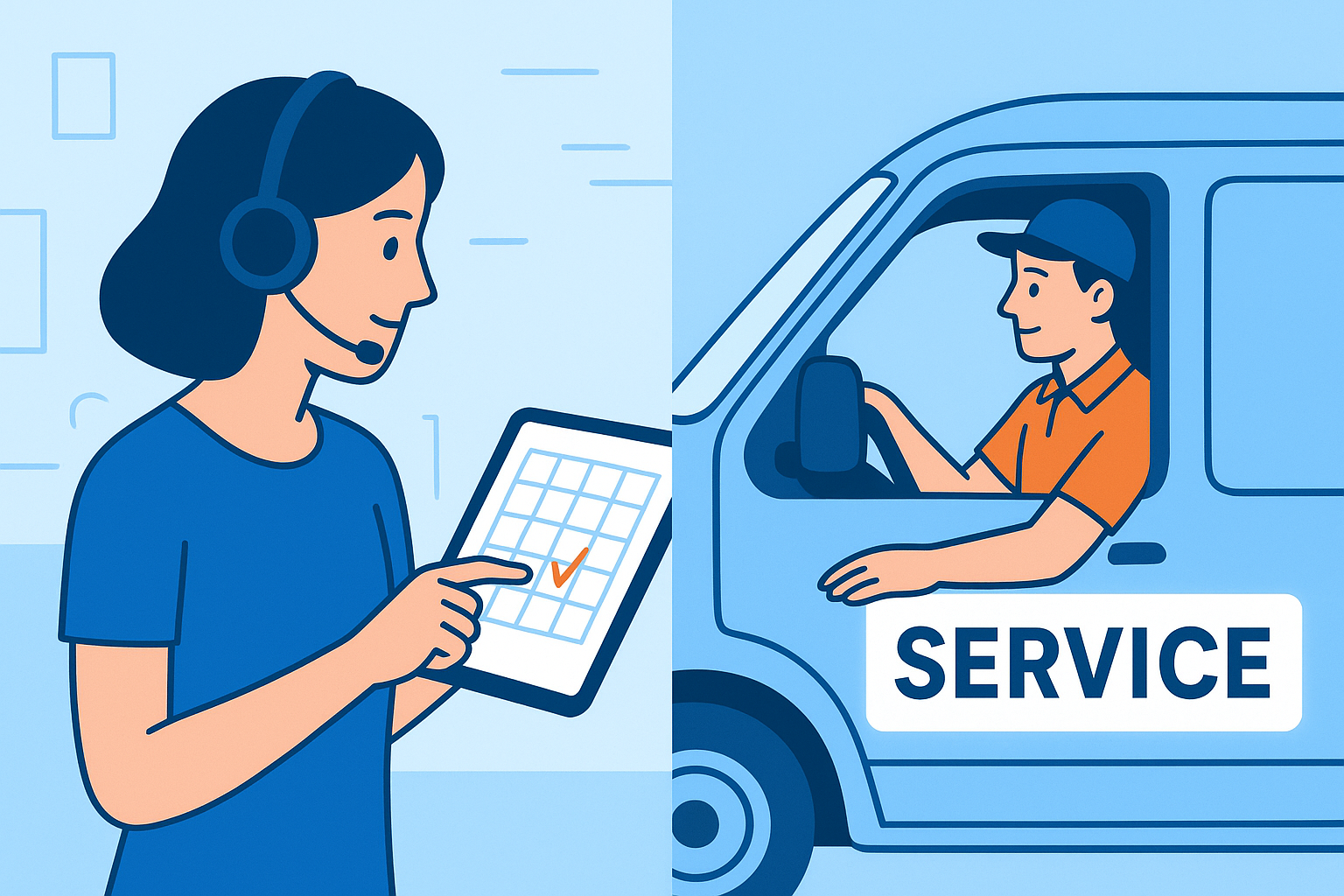
An organized call-to-booking workflow keeps jobs flowing even when every crew is out on site.
Using an AI Receptionist to Handle Calls During Active Jobs
Historically, the only fallback for missed calls was a live answering service, which charges per minute and often lacks real scheduling access. Today, however, AI receptionists offer a more consistent alternative because they answer instantly, every time, without a queue.
For example, JobOS Pro includes Kate, an AI receptionist that answers inbound calls around the clock, qualifies the caller, checks live availability, books the job, and sends a confirmation text automatically. Because it runs alongside scheduling, invoicing, and reviews inside one platform, the office team is not left stitching data between five separate tools. Businesses considering this route for HVAC operations specifically can review the details on HVAC-focused software built around this exact workflow, or visit JobOS Pro directly to see the full platform.
Multi-location and franchise operators face an even bigger version of this problem, since a missed call at one branch can distort performance data across the whole network. In that case, a franchise-ready AI receptionist setup helps standardize call handling across every location at once.
Best Practices for Managing Incoming Calls During Jobs
Even with automation in place, a few habits make call handling far more effective. First, above all, keep the script short. Callers want to know the company can help and roughly when, not a long explanation of services.
Second, in particular, always confirm the address and phone number out loud before ending the call, since a wrong digit can turn a booked job into a no-show. Third, consistently follow up on every quote sent from a call, because a quote that goes cold is functionally the same as a call that was never answered. For businesses actively working on this, a guide to reducing callbacks covers how better call intake reduces repeat visits too.
Finally, track which calls turn into higher-value jobs. Understanding this pattern can directly inform strategies to increase average ticket size across the whole team, since the way a call is handled often shapes the size of the job that follows.
Common Mistakes When Handling Job Site Calls
One frequent mistake is assuming voicemail is "good enough." In reality, most callers with an urgent need will not wait for a callback. Another common error is having no after-hours coverage at all, despite the fact that a large share of emergency calls for plumbing and HVAC issues happen at night or on weekends. Lastly, some businesses set up call forwarding but never review the data, which means recurring coverage gaps go unnoticed for months. Organizations like the Air Conditioning Contractors of America frequently highlight responsive customer communication as a core driver of repeat business in the trades.
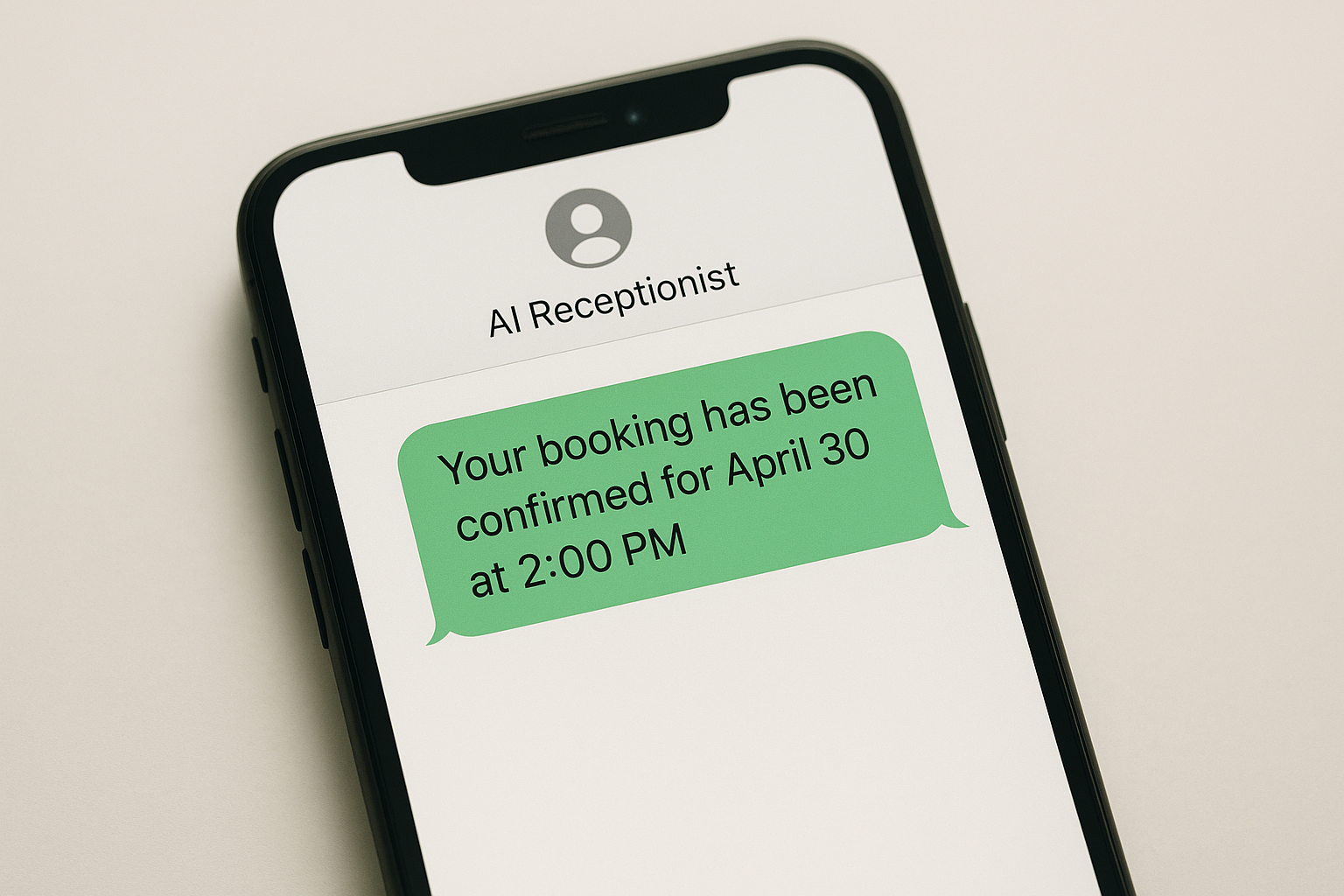
Automatic confirmation texts close the loop after a call is answered and a job is booked.
Frequently Asked Questions
What is the best way to answer calls while on a job site?
The best way to answer calls while on a job site is to route every inbound call to an AI receptionist or answering service instead of the technician. This keeps the crew working while the caller still gets a live, qualified response and a booked appointment.
How do I stop missing calls when my whole crew is on active jobs?
Set up call forwarding to a service that answers around the clock, whether that is a live answering team or software. This closes the coverage gap during peak hours and after 5 p.m., when most missed calls happen.
Why do home service businesses lose money when calls go unanswered?
Unanswered calls usually push the caller to dial a competitor within minutes, since most people calling a plumber or HVAC company have an urgent need. Every missed call is a lead that likely books elsewhere.
What's the difference between voicemail and an AI receptionist for job site calls?
Voicemail records a message and hopes someone calls back before the customer moves on. An AI receptionist answers live, qualifies the caller, checks the schedule, and books the job in real time.
How much does it cost to have someone answer calls during jobs?
Traditional answering services often charge per minute, which adds up quickly for busy trades. Flat-rate platforms built for home service businesses typically run in the low hundreds per month regardless of call volume or crew size.
How long does it take to set up call coverage for technicians?
Most call-forwarding and AI receptionist setups can go live within a single day, since they typically just require forwarding an existing business line. Full calendar and CRM integration usually takes a few extra days to fine-tune.
What are the most common mistakes when handling calls on a job site?
The biggest mistake is letting a technician juggle both a wrench and a phone, which slows the job and frustrates the caller. Other common errors include no after-hours coverage and no follow-up on calls that reach voicemail.
Should technicians answer calls themselves while working?
Generally, no. Technicians should stay focused on safety and workmanship, while a receptionist, dispatcher, or AI system handles the phone so nothing gets rushed on either end.
Can a virtual receptionist book jobs directly into my calendar?
Yes, modern AI receptionists connect to live scheduling so they can check real-time availability and place the appointment directly on the calendar. A confirmation text typically goes out to the customer automatically afterward.
What is call routing and how does it help home service teams?
Call routing automatically directs inbound calls to the right person or system based on rules like time of day or caller intent. For trades, that commonly means sending calls to an AI receptionist during work hours and a manager after hours.
Is missing a call really that costly for a small HVAC or plumbing company?
Yes. Industry estimates suggest home service operators lose 20 to 30 percent of potential revenue to handoff gaps like missed calls, not to competitors. For a company billing several hundred thousand dollars a year, that adds up to a significant amount of lost work.
What tools help answer calls while on a job site automatically?
AI receptionists, call-tracking software, and unified inbox platforms all help capture calls automatically. The most effective setups combine call answering with scheduling and CRM so the lead never falls through the cracks.
How does JobOS Pro help with answering calls while on a job site?
JobOS Pro includes Kate, an AI receptionist that answers inbound calls around the clock, qualifies the caller, checks live availability, books the job, and sends a confirmation text. It runs inside one flat-rate platform alongside scheduling, invoicing, and reviews.
What's the best practice for training staff on job site call etiquette?
Train office staff on a simple script for qualifying callers, confirming addresses, and setting expectations on arrival windows. Pair that training with automated backup coverage so etiquette gaps never turn into lost jobs.
Final Thoughts on Answering Calls on the Job
Ultimately, how to answer calls while on a job site comes down to removing the phone from the equation for the people doing the physical work. By forwarding calls to an answering service or AI receptionist, qualifying every caller, and booking jobs directly against live availability, home service businesses close one of their largest and most avoidable revenue leaks. As a result, technicians stay safe and focused, customers get a fast response, and fewer leads slip away to a competitor who simply happened to answer first.
