Losing jobs to competitors who answer first is one of the most common — and least tracked — ways a home service business loses revenue every single month. It rarely shows up as a line item on a profit and loss statement. Instead, it shows up as a caller who never phones back, a homeowner who books whichever HVAC company answers on the second ring, or an estimate that goes cold while a rival crew follows up first.
For growth-minded owner-operators running three to fifteen trucks, this leak can quietly outweigh a competitor's entire marketing budget. In fact, most operators blame pricing or reputation when a bid slips away. However, research on buyer behavior suggests the real culprit is usually speed. Whoever responds first often wins the job, regardless of who ultimately does better work.
Quick answer: Losing jobs to competitors who answer first happens when a rival crew responds to a call, text, or estimate faster than you do. Because most homeowners book with whoever replies first, even a ten-minute delay can hand the job away. Closing that speed gap — not cutting prices — is usually the fix.
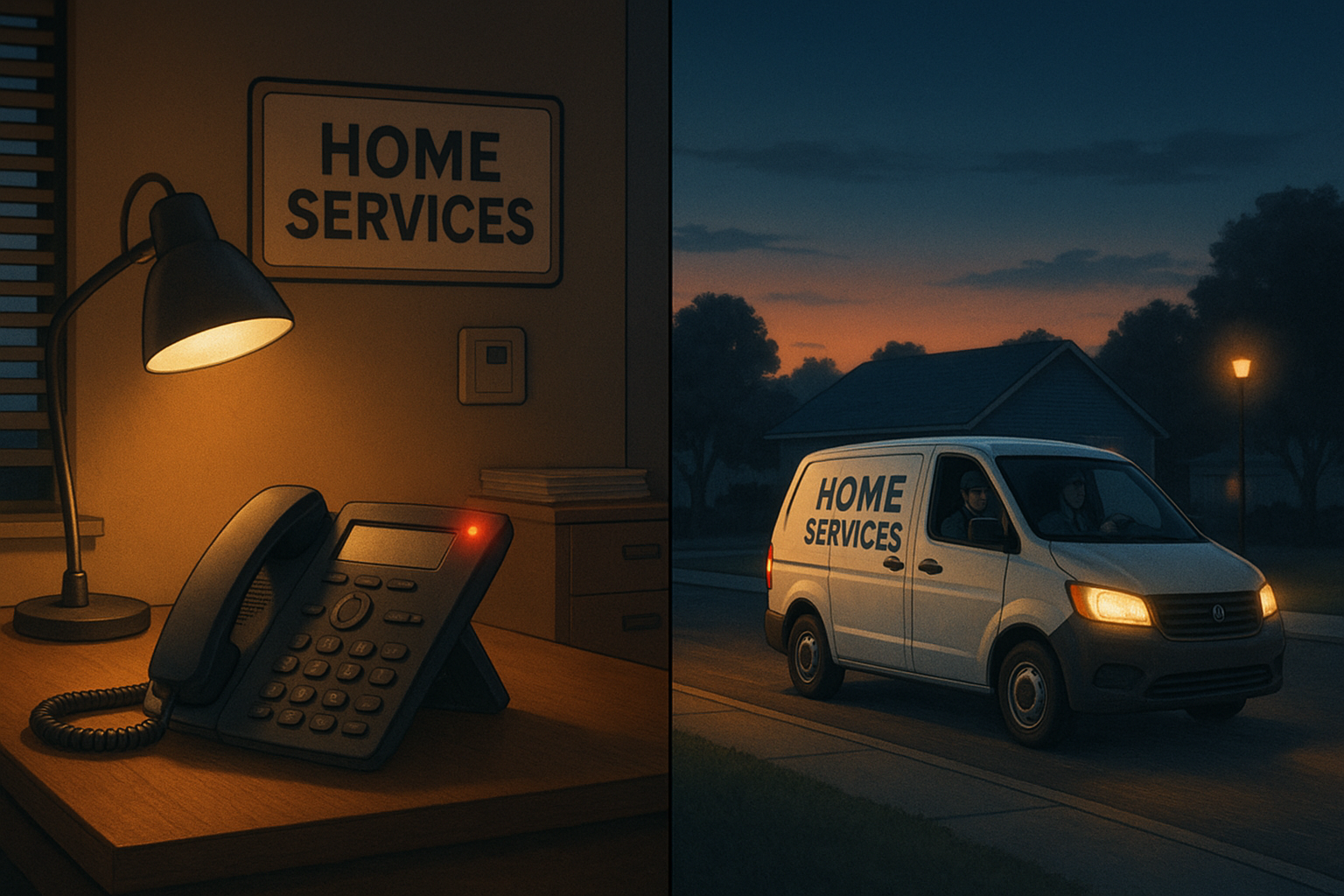
Losing jobs to competitors who answer first often starts with a call nobody picked up.
What Does Losing Jobs to Competitors Who Answer First Really Mean?
At its core, losing jobs to competitors who answer first describes a response-time problem, not a quality problem. A homeowner with a broken air conditioner in July does not wait patiently for a callback. Instead, they call three or four companies in a row and book with whoever picks up, texts back, or sends an estimate first.
This behavior lines up with how customer relationship management — the practice of tracking and organizing every customer interaction — has evolved: modern buyers expect near-instant acknowledgment, not next-day follow-up. Similarly, a slow estimate can lose the bid even when the price is fair and the crew is more experienced. Therefore, the competitor who "wins" the job frequently isn't better. They are simply faster to answer, faster to quote, and faster to follow up.
Why Home Service Businesses Keep Losing Bids to Faster Rivals
Several operational gaps cause this pattern to repeat month after month. Peak-hour call volume often exceeds what a two- or three-person office can answer live, so calls roll to voicemail. After 5 p.m. and on weekends, when many emergency calls come in, no one answers at all.
In addition, leads that do get answered often sit in a notepad or on a whiteboard instead of a follow-up sequence, so they go cold within hours. According to research widely cited by HubSpot, buyers are far more likely to purchase from the first company that responds to their inquiry. As a result, a business with excellent technicians can still lose most of its inbound leads simply because a competitor picked up the phone first.
The Real Cost of a Missed Call
Consider a mid-size HVAC company that misses five inbound calls a day during a hot summer stretch. If even half of those calls represent real jobs worth $400 on average, that single leak costs roughly $600 a day, or nearly $18,000 a month, in bookings that walk straight to a competitor. Consequently, missed calls are rarely a marginal problem — they are frequently the largest source of lost revenue in a home service business, larger than any pricing mistake or bad review combined.
How to Stop Losing Jobs to Competitors Who Respond Faster
Fixing this leak follows a fairly predictable sequence. The steps below outline the order most operators should tackle it in:
- Audit your missed-call rate. Pull call logs for the last 30 days and count how many inbound calls went unanswered during business hours, after 5 p.m., and on weekends, since this number usually surprises owners.
- Deploy instant lead response. Replace voicemail with a live or AI receptionist for home service businesses that answers every call, checks availability, and books the job in real time.
- Send estimates within minutes, not days. Use dynamic pricing tools that let a technician generate and send a quote on-site so the homeowner never has time to call a second company for a comparison.
- Automate follow-up on every open estimate. Build a text and email sequence that checks in automatically, since most cold estimates simply need one more reminder to close, as covered in this guide to estimate follow-up strategy.
- Track speed-to-lead on a dashboard. Monitor average response time by technician and by lead source weekly, then coach the team toward answering every call inside the first 60 seconds.
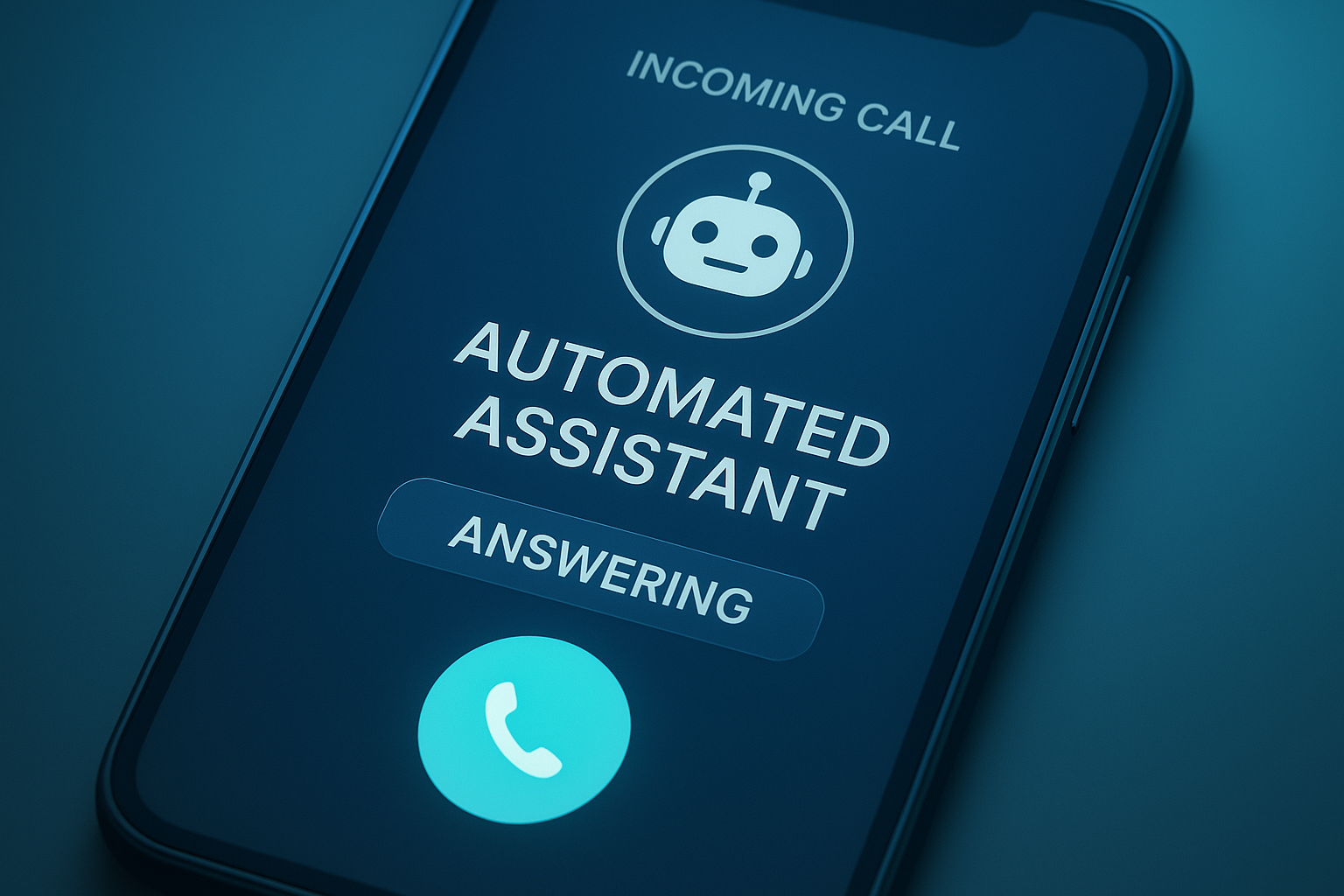
Instant call answering closes the gap that lets competitors win the job first.
Speed to Lead: Why the First Five Minutes Decide the Job
Speed to lead measures how quickly a business responds to a new inquiry, and it is one of the strongest predictors of whether a home service company wins or loses a bid. Studies on inside sales response times consistently show that contacting a lead within five minutes dramatically increases the odds of booking the job compared with waiting even thirty minutes.
Meanwhile, homeowners rarely wait around. Above all, an emergency call for a broken furnace or a flooded basement gets answered by whoever picks up first, not whoever eventually calls back with the better warranty. Similarly, a same-day estimate beats a next-day estimate almost every time, regardless of price. In short, speed is not a nice-to-have — it is the deciding factor in most bids.
The Estimate Gap: When a Slow Quote Costs You the Job
Even when a call gets answered promptly, many home service businesses still lose the job at the estimate stage. Specifically, an estimate that sits in an inbox for two or three days gives a faster competitor time to quote, follow up, and close the deal first.
In addition, estimates without financing or buy-now-pay-later options presented at the point of decision often lose to a competitor who makes the payment easier. For this reason, closing the estimate gap usually requires two changes: sending quotes faster and following up automatically until the homeowner responds. A detailed breakdown of this problem, along with practical fixes, is available in this guide on estimate follow-up for home service businesses.
How JobOS Pro Closes the Response-Speed Gap
JobOS Pro was built specifically to address the pattern of losing jobs to competitors who answer first, rather than simply recording jobs after the fact. Kate, its AI receptionist, answers every inbound call around the clock, qualifies the caller, checks live availability, books the job, and sends a confirmation text — so no call rolls to voicemail during peak hours or after five.
Because missed calls are frequently the biggest leak of all, the platform pairs Kate with dedicated workflows for reducing missed-call callbacks. In addition, estimates inside the platform support dynamic pricing plus financing options presented at the point of decision, which shortens the time between quote and signed job. For a closer look at how this compares with tools like Workiz, see this side-by-side comparison. Instead of juggling five to thirteen disconnected tools, operators run lead intake, scheduling, invoicing, and follow-up from one system, available for review directly at jobospro.com.
Flat Pricing That Doesn't Punish You for Growing
Unlike platforms that bill per technician, JobOS Pro publishes flat monthly pricing at $199, $349, and $549, with unlimited technicians, dispatchers, and office staff on every tier. Consequently, hiring a fourth or fifth truck never triggers a bigger software bill, which matters for operators who have outgrown entry-level tools but are unwilling to pay enterprise, per-seat pricing. A 30-day free trial with no credit card required lets an operator test the fix without migrating away from existing tools like Jobber, ServiceTitan, or QuickBooks first.
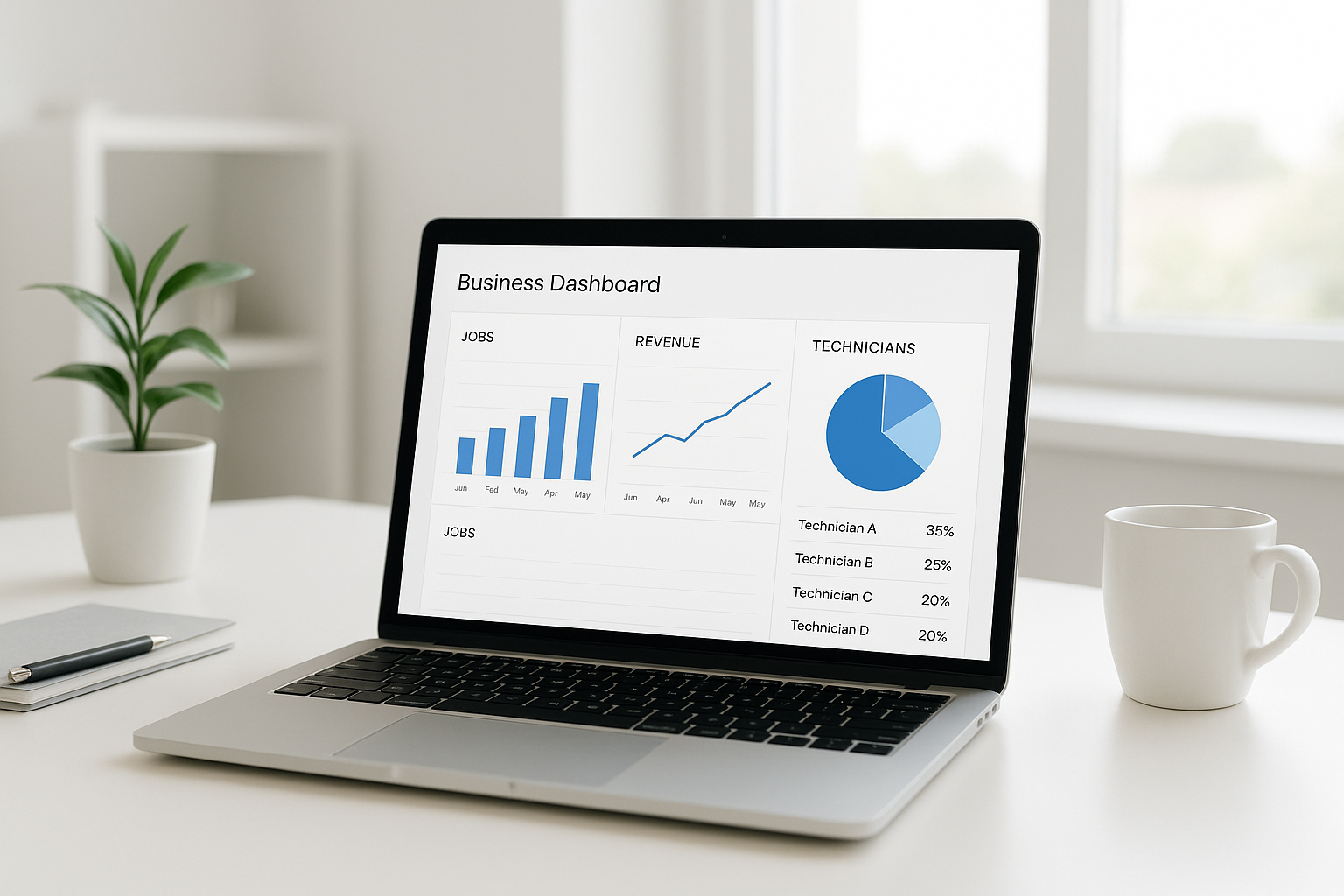
Tracking response time and margin by job helps prevent revenue from quietly slipping away.
Multi-Location and Franchise Considerations
Multi-location and franchise operators face a bigger version of the same leak, because a missed call or slow estimate at one location quietly drags down performance across an entire network. As a result, standardized response-time benchmarks matter as much as standardized pricing.
Cross-unit visibility, royalty tracking, and a shared AI receptionist across every site help ownership catch a struggling location before it loses a full quarter of bids to local competitors. For a closer look at how this works across multiple sites, see this guide on franchise AI receptionist deployment. Above all, the goal is the same at one truck or one hundred: answer first, quote fast, and follow up automatically. More detail on the broader field of coordinating trucks, crews, and schedules is available via field service management resources.
Frequently Asked Questions About Losing Jobs to Competitors Who Answer First
What does losing jobs to competitors who answer first mean?
Losing jobs to competitors who answer first means a rival crew books the job simply because they responded to the call, text, or estimate faster than you did. It is usually a speed problem, not a quality or pricing problem.
How much revenue do home service businesses lose to slow response times?
Many operators lose 20 to 30 percent of potential revenue to handoffs like missed calls and slow follow-up rather than to competitor pricing. A single missed call worth a few hundred dollars can add up to thousands per month.
Why do faster competitors win bids even when they charge more?
Homeowners often book with whoever answers first because waiting feels riskier than paying slightly more. Speed signals reliability, especially for emergency repairs.
How fast should a home service business respond to a new lead?
Ideally within five minutes of the first call, text, or web form. Response times beyond thirty minutes sharply reduce the odds of booking the job.
What is speed to lead?
Speed to lead is the amount of time between a customer's first contact and the business's first response. It is one of the strongest predictors of whether a lead turns into a booked job.
How can an AI receptionist prevent missed calls?
An AI receptionist answers every inbound call live, day or night, qualifies the caller, checks real-time availability, and books the appointment automatically, removing the voicemail gap.
What is the difference between a missed-call text-back and a live AI receptionist?
A missed-call text-back sends an automatic message after a call goes unanswered, which still delays the conversation. A live AI receptionist answers the call itself and books the job immediately.
How much does software to fix slow response times typically cost?
Pricing varies, though some platforms charge per technician, raising costs as a company grows. JobOS Pro, for example, publishes flat pricing at $199, $349, or $549 per month with unlimited technicians.
What common mistakes cause slow estimate follow-up?
Common mistakes include sending an estimate without a scheduled follow-up, relying on memory instead of automation, and skipping financing options at the point of decision.
How long does it take to implement an AI receptionist system?
Most home service businesses can set up call answering, availability checks, and booking workflows within days, since these systems run alongside existing scheduling tools.
Can flat-rate software really reduce costs compared with per-technician pricing?
Yes. A flat monthly fee stays the same whether a company runs three trucks or fifteen, while per-seat pricing increases every time an operator hires.
What is an Operational Health Score?
An Operational Health Score is a dashboard metric showing margin by job, by technician, and by lead source, helping owners spot where revenue is leaking.
How do multi-location franchises lose jobs to competitors who answer first?
Franchises lose jobs the same way single-location businesses do, except the leak repeats across every site, and one underperforming location can quietly lose a large share of local bids.
What best practices reduce no-shows and lost jobs?
Sending automatic confirmations and reminders, following up on every open estimate, and tracking response time weekly are among the most effective practices.
Does JobOS Pro work alongside existing scheduling tools?
Yes. JobOS Pro is designed to run alongside tools such as Jobber, ServiceTitan, and QuickBooks, so operators can fix the response-speed gap without a full migration.
Final Takeaway
Ultimately, losing jobs to competitors who answer first is rarely about price or workmanship — it is about speed. Every unanswered call, delayed estimate, and forgotten follow-up hands a job to whoever responds first, and those small handoffs add up to a serious share of lost revenue over a year.
Therefore, closing the gap starts with auditing response times, then layering in tools like an AI receptionist, faster estimates, and automatic follow-up sequences. Platforms such as JobOS Pro were built around this exact problem, pairing flat pricing with a full revenue-recovery workflow instead of another per-seat tool. In the end, the businesses that answer first, quote fast, and follow up consistently are the ones that stop losing jobs to competitors who answer first.
