Deciding to stop paying per user for field service software is one of the fastest ways a growing HVAC, plumbing or electrical company can protect its margin. Most platforms charge by the technician, dispatcher or office seat, so the bill climbs every single time an operator hires. As a result, growth itself quietly turns into a cost center instead of a reward. This guide breaks down why per-seat pricing drains profit, and how flat-rate field service software changes the math for a 3-to-15-truck operation.
What Does It Mean to Stop Paying Per User for Field Service Software?
Paying per user for field service software means the monthly bill is calculated by multiplying a per-seat rate by the number of technicians, dispatchers or office staff using the platform. Therefore, stopping that model means moving to software priced as one flat fee, no matter how many people log in. Vendors in the broader field service management category, including ServiceTitan, Jobber and Housecall Pro, typically charge per technician, so a company that doubles its crew size also doubles its software bill.
In contrast, a flat-rate platform such as JobOS Pro separates growth from software cost entirely. That distinction matters most for owner-operators running 3 to 15 trucks who are scaling fast but still watching every line item.
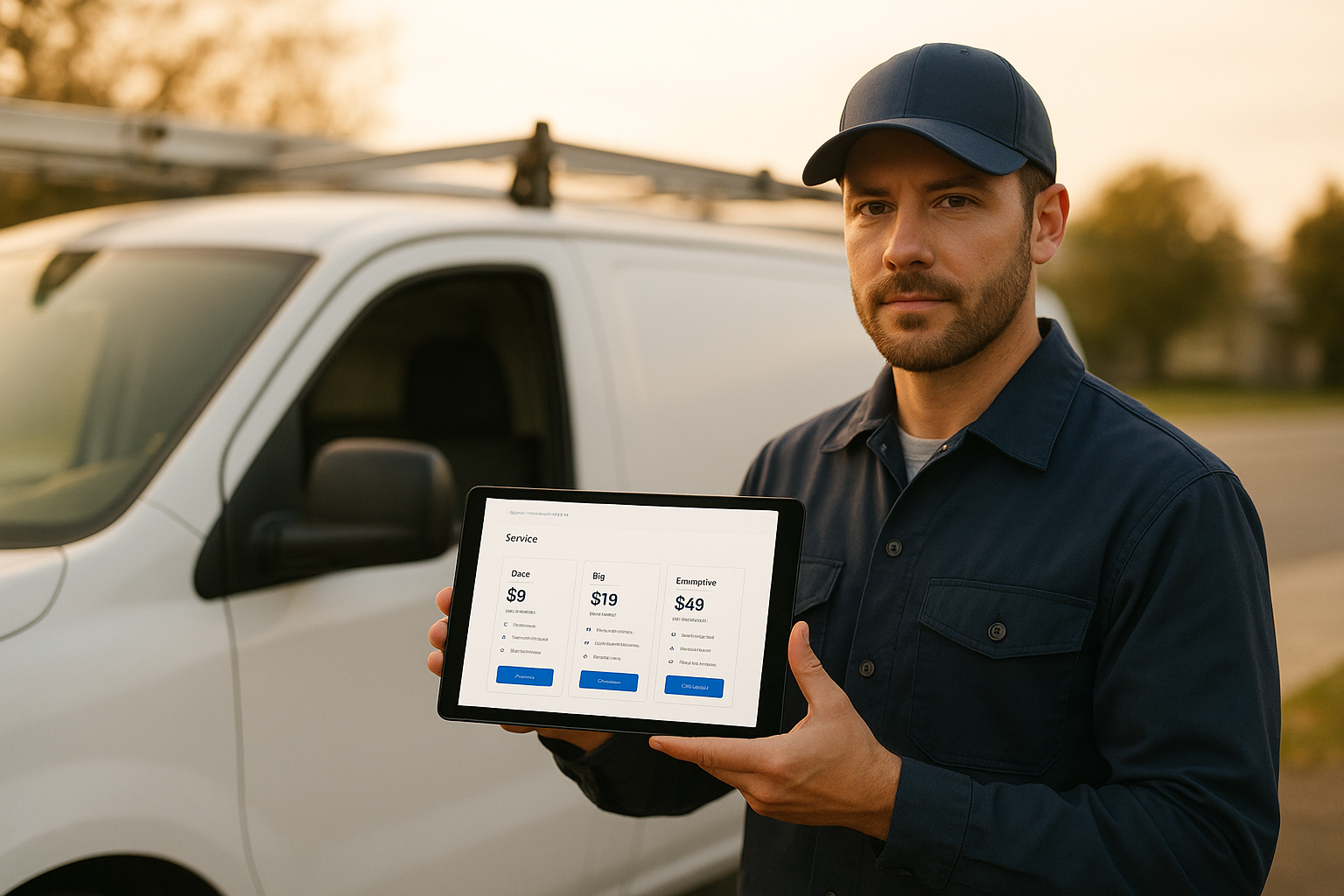
A flat-rate dashboard lets technicians log in without adding to the monthly software bill.
Why Per-Technician Billing Quietly Drains Home Service Profits
Per-technician billing feels harmless at five trucks. However, it compounds quickly once a company adds dispatchers, part-time techs and seasonal hires. Specifically, many platforms count every login as a billable seat, even office staff who only touch invoicing or scheduling. Consequently, the software line item grows faster than revenue during a seasonal hiring push.
Industry analysis suggests operators lose roughly 20 to 30 percent of potential revenue not to competitors, but to internal handoffs: missed calls during peak hours, estimates that go cold, and invoices that never get collected on time. Per-seat software pricing adds a second leak on top of that first one, because the tool meant to fix the revenue problem becomes its own cost problem.
For example, a company running twelve technicians on a roughly $79-per-tech platform pays close to $950 a month before adding a single dispatcher or office seat. Meanwhile, the U.S. Bureau of Labor Statistics continues to project steady demand for HVAC and related trade technicians nationwide, which means crews, and the seat counts billed against them, keep growing. As a result, owners start avoiding headcount decisions based on software cost rather than actual demand.
The Hidden Cost of Per-Seat Software Pricing as Your Crew Grows
Per-seat software pricing hides its real cost until renewal time. In particular, most vendors require a contract upgrade whenever headcount crosses a threshold, so the price jump often arrives with little warning. Meanwhile, the tools themselves rarely consolidate; most shops are still running five to thirteen separate point solutions for scheduling, invoicing, reviews and marketing, according to JobOS Pro's own software consolidation research.
Each additional tool adds its own per-seat line item, so the real monthly cost is rarely the headline number a vendor advertises. Furthermore, every new platform adds another login, another training session and another place for a lead or invoice to fall through the cracks. In short, per-seat pricing does not just cost more as a business grows; it actively discourages the growth that should make the business more profitable.
How Flat-Rate Field Service Software Changes the Math
Flat-rate field service software flips the incentive. Instead of charging more as a company adds trucks, the vendor charges the same fee whether there are 3 technicians or 15. Therefore, every new hire becomes pure upside instead of a fresh software bill.
JobOS Pro, for instance, publishes three flat tiers — $199, $349 and $549 per month — each with unlimited technicians, dispatchers and office staff included. In addition, the platform is built to replace five to ten disconnected tools, including scheduling, invoicing, reviews and a unified inbox, rather than stacking another per-seat subscription on top of existing software. Operators can run it alongside Jobber, ServiceTitan or QuickBooks during a 30-day free trial with no credit card and no forced migration, so the switch does not require ripping out a system mid-season. As a result, the decision to stop paying per user for field service software becomes low-risk rather than disruptive.
JobOS Pro vs. ServiceTitan, Jobber and FieldEdge
ServiceTitan remains the enterprise standard, but its per-technician pricing is built for companies that have already scaled past 20 or more trucks. Jobber and Housecall Pro are friendlier for solo operators, yet they still add cost per user as a crew grows, and neither ships a built-in AI receptionist or financing at the point of estimate.
FieldEdge sits closer to JobOS Pro in positioning, so a direct FieldEdge comparison is worth reading before signing a multi-year contract. Similarly, most of these platforms require a separate CRM, a separate marketing tool and a separate payments processor, which means the real monthly spend is higher than any single quote suggests. JobOS Pro, in contrast, positions itself as more powerful than Jobber and Housecall Pro, and simpler and cheaper than ServiceTitan.
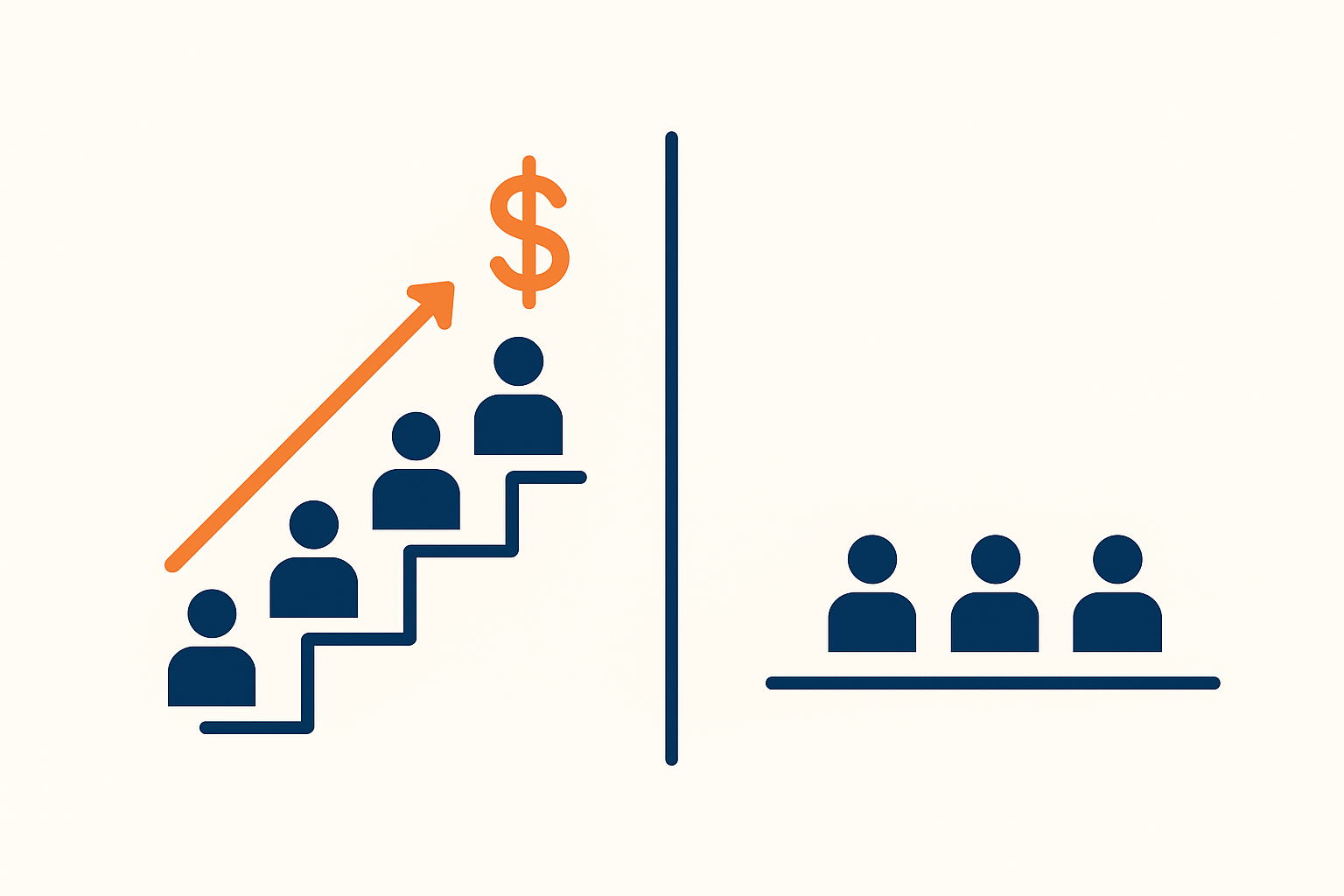
Per-seat pricing climbs with every hire, while flat-rate field service software stays level.
Step-by-Step: Switching to Unlimited-User Field Service Software
Switching software mid-season feels risky, but a structured approach limits disruption. The following steps outline how most 3-to-15-truck operators make the move without losing a single job in the pipeline.
- Audit your current stack and seat costs. List every tool currently billed per technician, dispatcher or office seat, then add up the real monthly total across scheduling, invoicing, reviews and marketing software.
- Map your required features across the revenue path. Confirm the new platform covers lead intake, scheduling, estimates, payments and reviews, not just dispatch, so nothing falls into a gap between tools.
- Run a parallel trial without migrating existing data. Use a free trial period to test call answering, booking and invoicing alongside your current software before committing to a full switch.
- Compare the flat-rate total against projected per-seat growth. Project software cost twelve months out under both pricing models, assuming at least two to three new hires, to see where real savings land.
- Cancel redundant per-seat tools once the team is trained. Retire the old scheduling, invoicing or review software only after dispatchers and technicians are comfortable in the new system end to end.
Where Flat Monthly Pricing Recovers the Most Revenue
Flat pricing only solves half the problem if the underlying revenue leaks stay open. For example, a maintenance plan that never gets offered at the point of service is lost recurring revenue regardless of the software bill; JobOS Pro's maintenance plan playbook walks through how to close that gap.
Likewise, a ticket that closes smaller than it should erodes margin even on a flat-rate plan, which is why the average ticket guide is worth pairing with a software switch. Scheduling gaps cause a similar drain: a truck sitting idle between jobs costs money whether the dispatch software bills per seat or not, so reviewing the field service scheduling resource helps tighten routes once the software bill is fixed. Transparent billing practices also matter here; the Federal Trade Commission's guidance on subscription billing is a useful reminder of why predictable, flat pricing serves operators better than surprise seat charges.
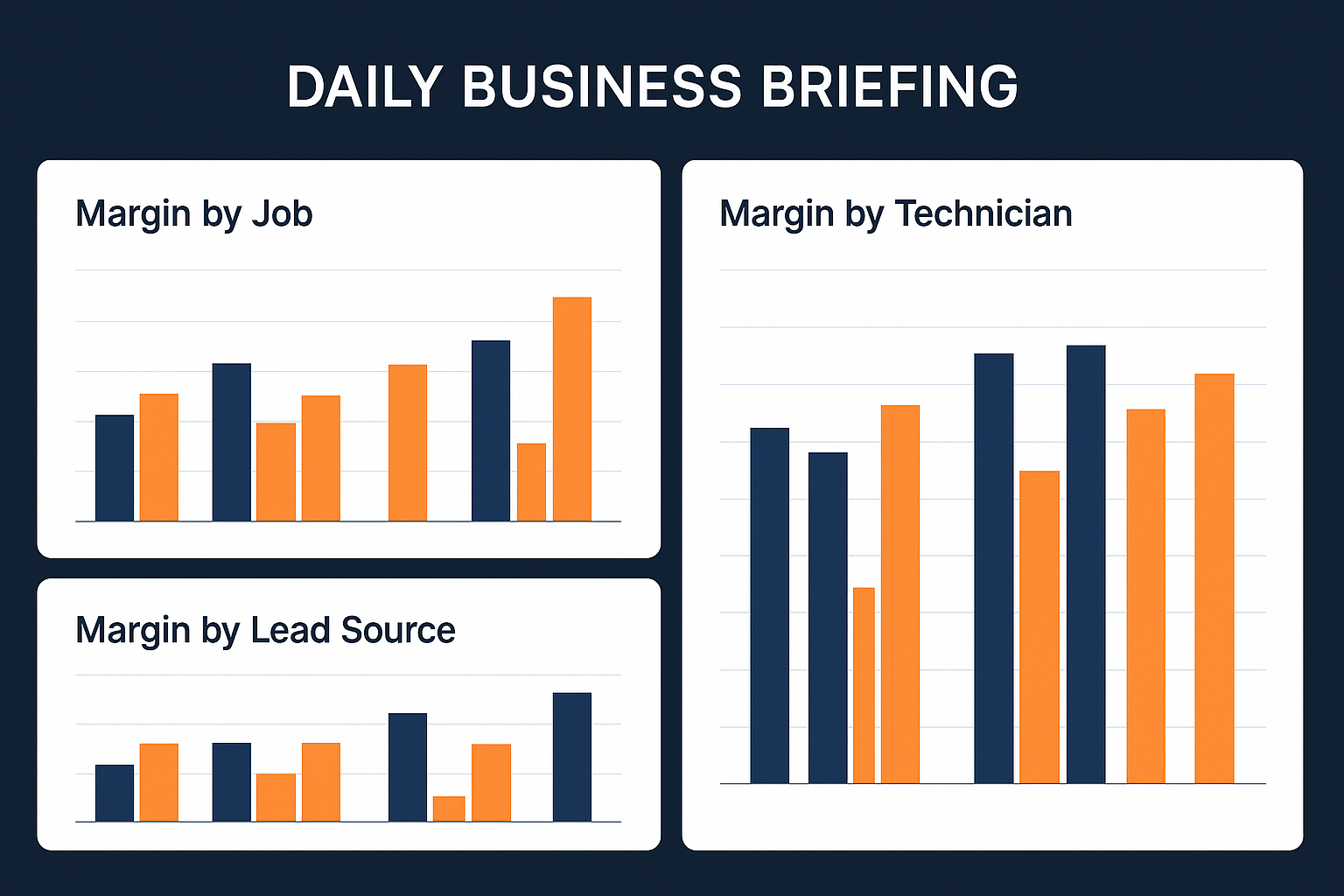
A single dashboard replaces the spreadsheets operators once needed across disconnected, per-seat tools.
Frequently Asked Questions About Paying Per User for Field Service Software
What does it mean to stop paying per user for field service software?
It means switching from a per-technician or per-seat billing model to a flat monthly plan that covers unlimited technicians, dispatchers and office staff. JobOS Pro, for example, charges one flat fee instead of a rate that multiplies with headcount.
How does per-technician pricing cause revenue leakage?
Per-technician pricing raises the software bill every time a company hires, which pushes owners to avoid headcount decisions that would otherwise grow revenue. It also layers cost on top of existing leaks like missed calls and uncollected invoices.
How much can a growing HVAC company save by switching to flat-rate software?
Savings depend on crew size, but a twelve-technician shop on a roughly $79-per-seat platform can pay close to $950 a month before adding dispatchers or office staff. A flat $349 plan covering the same headcount often costs less while adding more tools.
How long does it take to switch from per-seat software to a flat-rate platform?
Most 3-to-15-truck operators complete a parallel trial and full switch within two to four weeks. Running the new platform alongside existing tools during a free trial avoids downtime in the job pipeline.
What is the difference between JobOS Pro and ServiceTitan's pricing model?
ServiceTitan bills per technician, so cost rises with every hire, while JobOS Pro publishes three flat tiers that include unlimited technicians, dispatchers and office staff. That makes JobOS Pro's monthly bill predictable regardless of crew size.
What is the real difference between flat-rate and per-seat field service software?
Per-seat software multiplies a rate by the number of users, while flat-rate software charges one fee no matter how many people log in. The flat model separates software cost from headcount growth entirely.
What mistakes do operators make when evaluating field service software pricing?
Many owners compare only the advertised per-seat rate without projecting cost twelve months ahead at expected headcount. They also overlook the five to ten separate tools already billed per seat outside the core platform.
What should I check before I stop paying per user for field service software?
Confirm the new platform covers the full revenue path, including lead intake, scheduling, estimates, payments and reviews, not just dispatch. Also verify it can run alongside your current software during a trial before committing.
Can I switch field service platforms without migrating all my data at once?
Yes, most flat-rate platforms, including JobOS Pro, are designed to run alongside tools like Jobber or QuickBooks during a free trial. Full migration can happen later, once the team is comfortable in the new system.
Does flat-rate field service software work for a one-truck business?
Flat-rate pricing can still work for a single truck, but the biggest savings show up once a company adds its second or third technician. Below that size, a per-seat plan may occasionally cost less.
Is there a free trial before committing to flat monthly pricing?
JobOS Pro offers a 30-day free trial with no credit card required, so operators can test call answering, scheduling and invoicing before paying anything. Month-to-month terms also apply after the trial ends.
What happens to my software bill if I hire more technicians next year?
Under a flat-rate plan, the monthly bill stays the same whether the crew grows from five trucks to fifteen. That is the core advantage of choosing to stop paying per user for field service software in the first place.
Final Takeaway
Ultimately, the decision to stop paying per user for field service software is less about switching vendors and more about removing a cost that penalizes growth. Per-seat pricing turns every new hire into a bigger bill, while flat-rate platforms like JobOS Pro keep the monthly cost fixed at $199, $349 or $549 no matter how many technicians, dispatchers or office staff log in.
In addition, closing software leaks only matters if the underlying revenue leaks close too, from missed calls to cold estimates to invoices that never get collected on time. Therefore, operators running 3 to 15 trucks who are ready to stop paying per user for field service software can visit jobospro.com, start a 30-day free trial, and test the full platform alongside their current tools before committing to anything.
